
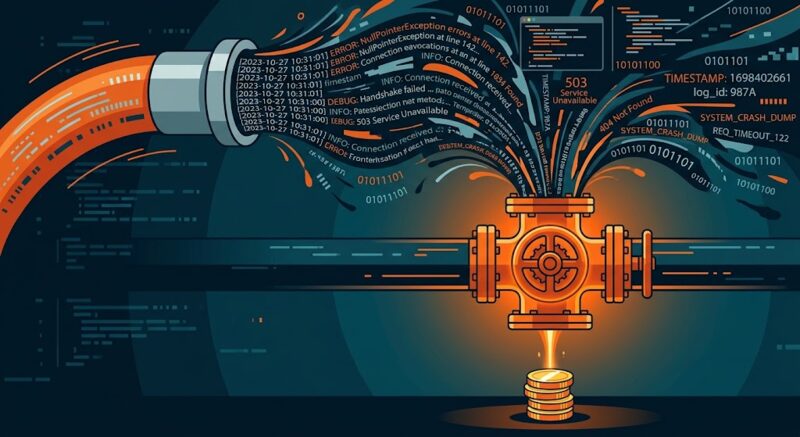
7 Cost-Saving Strategies Observability Vendors Don't Want You to Know
Originally posted in Obics.io Observability vendors have been billing companies per data volume or per node count for many years. Both of those have exploded in the last decade and the vendors have been enjoying a rapid rise in income. But that also created frustration from the customers. The issue of cost is on everyone’s mind when it comes to observability and the #1 reason for switching vendors, even if you are perfectly happy with everything else.
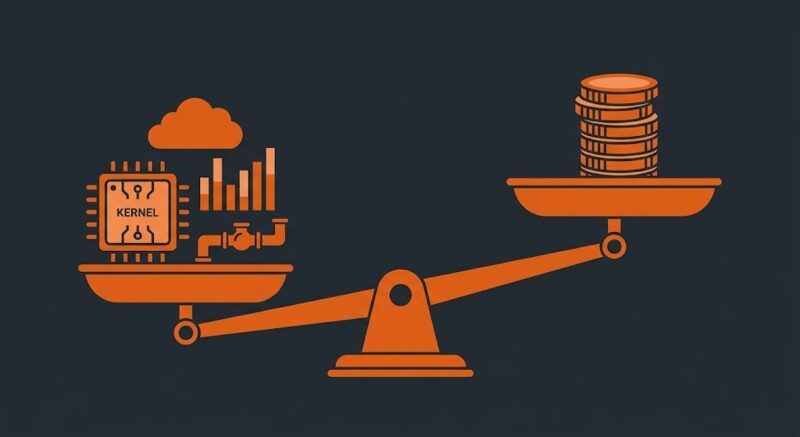
eBPF, BYOC, ClickHouse, Telemetry Pipelines: Which Ones Are Actually Worth It?
Originally posted in Obics.io The observability world is changing in very interesting ways. In the last decade we’ve experienced the rise of the OpenTelemetry standard and the rise of open source solutions like Elastic and Grafana. Now, the observability world is experiencing a new wave of technologies: eBPF based instrumentation Bring your own Cloud (BYOC) Columnar data stores, most prominently ClickHouse Telemetry Pipelines There’s also the AI SRE wave, which is more of a “consume observability” use case, whereas I want to talk about technologies that change the core infrastructure of how we gather and store telemetry.
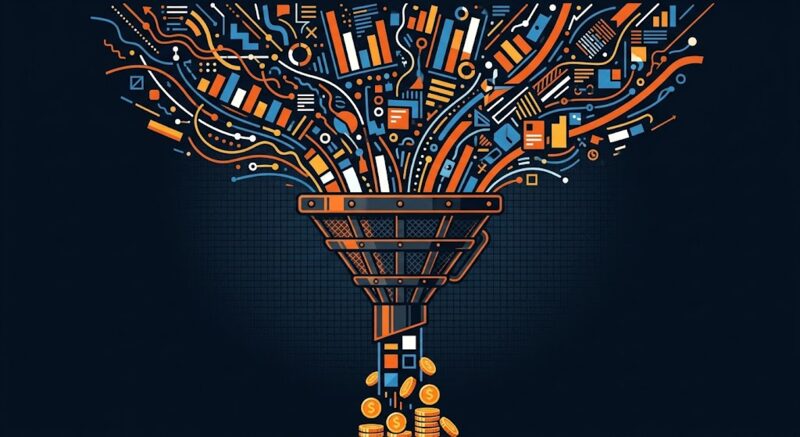
Telemetry accumulates like technical debt. We built a tool to clean it up.
Originally posted in Obics.io We set out to build an automated incident response solution. Then we talked to more than 50 companies, and heard the same objection repeating: it won’t work on our data. The telemetry is too noisy, too low quality, too misleading. So we went digging, and found the problem underneath the problem. Logs, metrics, and traces accumulate for years, and almost nothing is ever removed. Telemetry behaves like code.
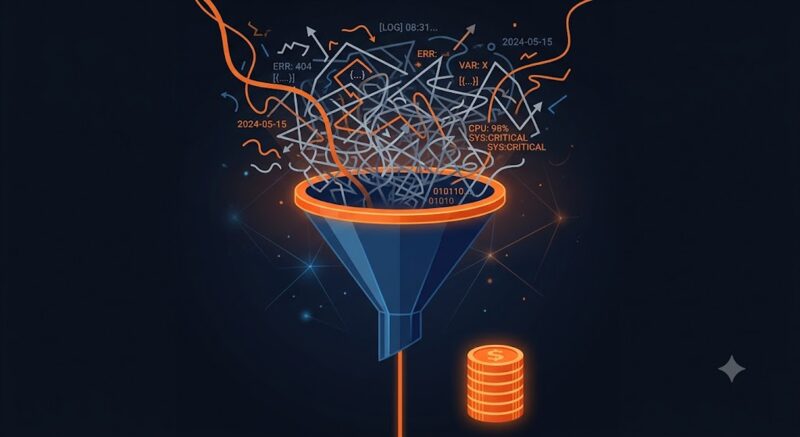
5 Strategies to Reduce Logging Costs
Originally posted in Obics.io If you’re not careful, logging costs can rise up to staggering amounts. Paying 5 or 10 (or more) percent of your cloud host costs for logging is just too much. And let’s be honest, most of the logs are redundant and never queried. But you still need logs just in case, otherwise, you’re blind in production next time there’s an incident. So let’s try to find a middle ground.
Demystifying DataDog Metrics Pricing: 2026 Ultimate Guide
Originally posted in Obics.io So, you’re trying to understand why your DataDog metrics bill is so high and you can’t figure it out? You’re not alone. DataDog pricing is one of the great mysteries of the universe. But in this post, we’ll go over how it works and try to make it as clear as possible. The first part of the bill for infrastructure hosting is a fixed price per host.
Demystifying DataDog Logs Pricing
Originally posted in Obics.io Understanding DataDog pricing sometimes feels like you need a PhD on the matter. Some would say on purpose. And it’s a shame that such a wonderful product is accompanied by a less pleasant side. So, in this post, we’ll be demystifying exactly how DataDog bills for its log offering, which optimizations help and which don’t, and the fine-print gotchas to look out for. Plans, discounts, and overage For a big company, DataDog will always have a discounted plan, signed after careful negotiations.

Observability and Distributed Tracing Terminology Guide
If you’re new to the observability space, it’s easy to get lost in a sea of terms. What are APMs, traces, spans, telemetry, and metrics? Are Jaeger and Zipkin actual words? What’s the difference between OpenTelemetry and OpenTracing? Let’s try to make sense of all this language. Let me present a complete dictionary of observability and distributed tracing terminology. Telemetry refers to the collection of signals that your applications, services, and infrastructure send to observability backends.